
Cold water immersion, often called an ice bath, has become one of the most talked about tools in home wellness. Whether you are interested in muscle recovery, mental resilience, or overall wellbeing, starting ice baths at home can feel both exciting and a little daunting.
This guide explains how to begin safely, simply, and confidently, even if you have never tried cold water immersion before.
What Is an Ice Bath?
An ice bath involves sitting in cold water, typically between 4 and 15°C, for a short period of time. The aim is to expose the body to cold in a controlled way, encouraging circulation, supporting recovery, and creating a sense of physical and mental reset.
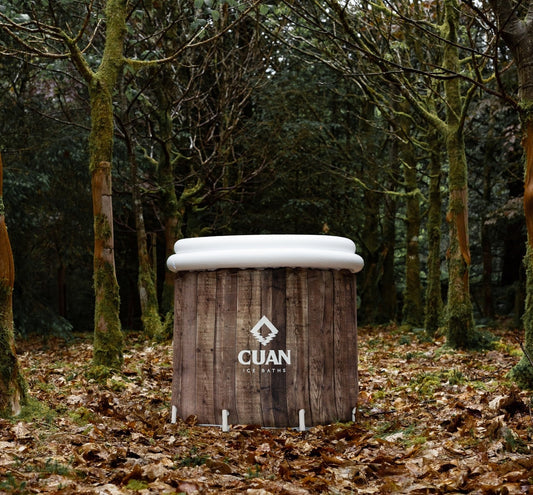
Portable ice baths make it possible to practise cold water immersion at home or in the garden, without the need for specialist facilities.
1. Setting Up Your Ice Bath
Choose a flat and stable area where you can comfortably fill and use your ice bath.
Fill the bath with cold water using a garden hose or similar, stopping at around three quarters full to allow for water displacement when you step in. Before entering, check the water temperature. For beginners, 10 to 15°C is a sensible starting range.
If you want the water colder, ice can be added gradually. Add small amounts at a time and recheck the temperature as you go.
2. Preparing Your Body and Mind
Cold water can feel intense at first, especially if you are new to ice baths. Taking a moment to prepare makes a noticeable difference.
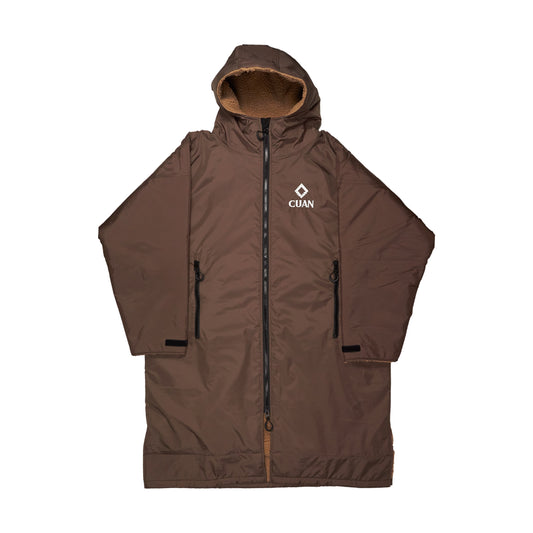
Enter the water slowly rather than all at once, allowing your body time to adjust. Focus on slow, controlled breathing to help regulate your nervous system. It can also help to have a towel, warm clothing, or a robe ready for when you step out.
Your first few sessions do not need to be long. One to two minutes is enough for beginners. As your tolerance builds, you can gradually increase your time in the water.
3. Keep Safety Front of Mind
Safety should always come first with cold water immersion.
If you have any underlying health conditions such as heart issues, circulation problems, or high blood pressure, it is important to speak with a healthcare professional before starting. Avoid staying in the water for long periods, particularly in the early stages.
If you feel dizzy, excessively numb, or unwell at any point, exit the bath slowly and warm up.
Starting with milder temperatures and shorter sessions allows your body to adapt without unnecessary stress.
4. Creating a Sustainable Routine
There is no single correct way to practise ice baths. Some people use them after training to support recovery, while others include them as part of a broader wellbeing routine.
Many people find it easier to do ice baths around midday or early afternoon, when the body’s core temperature is naturally slightly higher than first thing in the morning. Being warmer can make the initial cold exposure feel more manageable, particularly for beginners.
If your primary goal is building muscle (hypertrophy), timing matters. Research suggests that doing cold water immersion immediately after resistance training may blunt some of the muscle-building signals. For this reason, it is generally recommended to delay ice baths for at least 6 to 8 hours after weight training, or to do them before your session instead.
That said, ice baths can be very effective immediately after cardio-based exercise, where the goal is recovery, cooling the body, and reducing overall fatigue rather than maximising muscle growth.
Consistency matters more than intensity. Short, regular sessions across the week tend to be more beneficial than infrequent extreme exposure. As you develop your routine, pay attention to how your body responds and adjust timing, temperature, and duration to suit your goals.
5. Common Beginner Questions
Do I need ice?
Ice is not essential when starting out. In the UK climate, cold tap water is often enough to provide an effective experience, especially in cooler months.
How cold is too cold?
Temperatures below around ten degrees Celsius can feel very intense for beginners. Gradual exposure helps the body adapt and reduces discomfort.
Final Thoughts
Starting ice baths at home does not need to be complicated or intimidating. With a simple setup, calm breathing, and a gradual approach, cold water immersion can become a steady and supportive part of your routine.
Having the right setup can make that process easier and more consistent. Portable options like CUAN Ice Baths are designed to remove many of the practical barriers, making it simpler to practise cold water immersion at home, whether in a garden or outdoor space, without needing permanent installations.
If you are new to ice baths, take your time. Adaptation happens slowly, and that process is where much of the benefit lies. The goal is not to push extremes, but to build a routine that feels sustainable, supportive, and easy to return to.