
One of the first questions people ask when starting cold water immersion is simple but important: how long should you actually stay in an ice bath?
You’ll hear everything from 30 seconds to 10 minutes online, but the reality is more nuanced. The right duration depends on your experience level, water temperature, and what you want to get out of the practice.
This guide breaks it down clearly, without hype.
Short Answer: Less Is More
For most people, especially beginners, short ice baths are both effective and safer.
A common and evidence-based guideline is:
-
Beginners: 1–2 minutes
-
Regular users: 2–5 minutes
-
Advanced or experienced users: up to 5–8 minutes
Spending longer in cold water does not automatically mean more benefit. In many cases, pushing too far can increase stress on the body rather than support recovery.
Why Time Matters in Cold Water Immersion
Cold exposure triggers a stress response in the body. Heart rate increases, breathing becomes faster, and blood vessels constrict to protect core temperature.
This response happens quickly, often within the first minute. Many of the benefits people seek, such as improved circulation, mental clarity, and nervous system engagement, occur early in the exposure.
Staying in longer does not necessarily amplify these effects and may increase the risk of excessive cold stress, especially in colder temperatures.
Temperature Changes Everything
How long you stay in an ice bath should always be considered alongside how cold the water is.
As a general guide:
-
10–15°C: Suitable for beginners and regular use
-
Below 10°C: Very intense and best approached cautiously
-
Cold tap water in the UK: Often sufficient without added ice
The colder the water, the shorter the session should be. A two-minute bath at 8°C can feel far more demanding than five minutes at 14°C.
Matching Duration to Your Goal
For General Wellbeing and Mental Reset
One to three minutes is often enough. The focus here is calm breathing and nervous system regulation rather than endurance.
For Recovery After High Heart-Rate Exercise
Short to moderate sessions, typically two to five minutes, can be effective for cooling the body and supporting recovery after activities like running, cycling, or sport.
For Muscle Growth (Hypertrophy)
If building muscle is your primary goal, timing matters more than duration. Cold water immersion immediately after resistance training may interfere with muscle-building signals. In this case, shorter sessions done before training or six to eight hours afterwards are generally recommended.
Signs You’ve Stayed in Long Enough
Rather than watching the clock alone, pay attention to your body.
It’s time to get out if:
-
Breathing becomes uncontrolled
-
You feel dizzy or lightheaded
-
Numbness becomes pronounced
-
You feel mentally overwhelmed rather than focused
The goal is controlled exposure, not pushing through discomfort at all costs.
Building Up Gradually
Like any form of stress adaptation, cold exposure works best when built slowly.
Start with very short sessions, even under a minute if needed. Over time, your tolerance will improve naturally. Many experienced cold water practitioners still keep sessions relatively short and consistent rather than long and extreme.
Final Thoughts
There is no single “perfect” ice bath duration. For most people, one to five minutes is plenty to experience the benefits of cold water immersion without unnecessary strain.
Focus on consistency, temperature awareness, and how your body responds. Ice baths are not about endurance or bravado, but about creating a sustainable practice that supports your wellbeing over time.
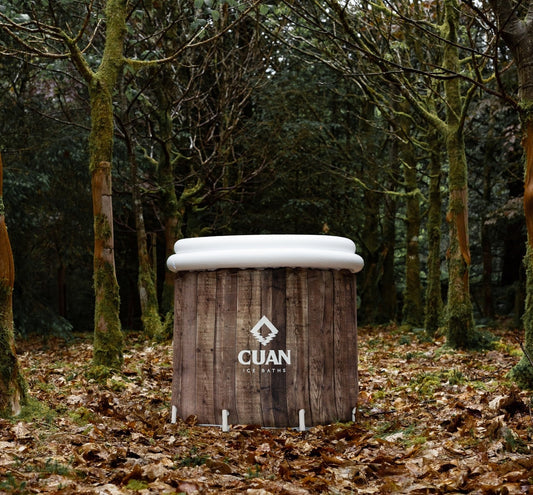
Having a simple, reliable setup at home makes it easier to keep that practice consistent and approachable.